
 Getting Started
Welcome to DeepCap! Nice to see you here. Let’s get started on the road to wealth!
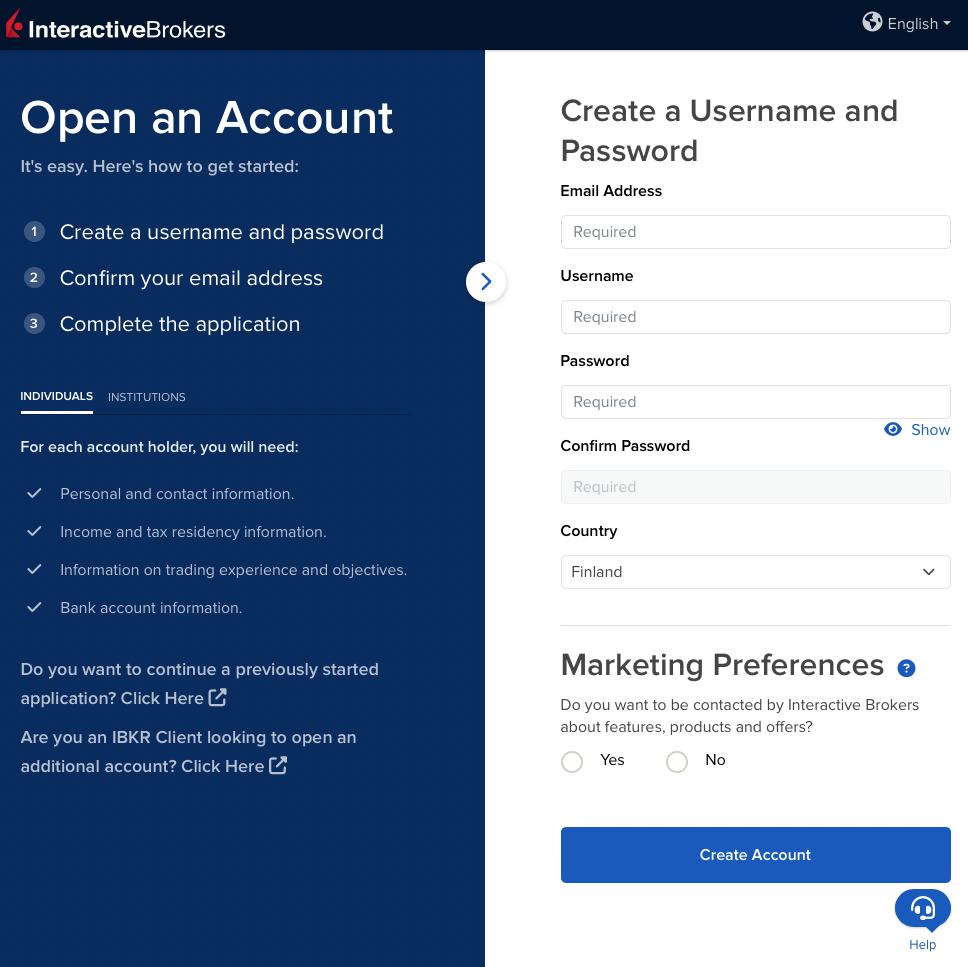
1. Sign Up for a Broker Account
Register with a brokerage firm to access the market. While this guide uses Interactive Brokers, you are free to choose other reputable brokers like Thinkorswim.
2. Use a Demo Account First
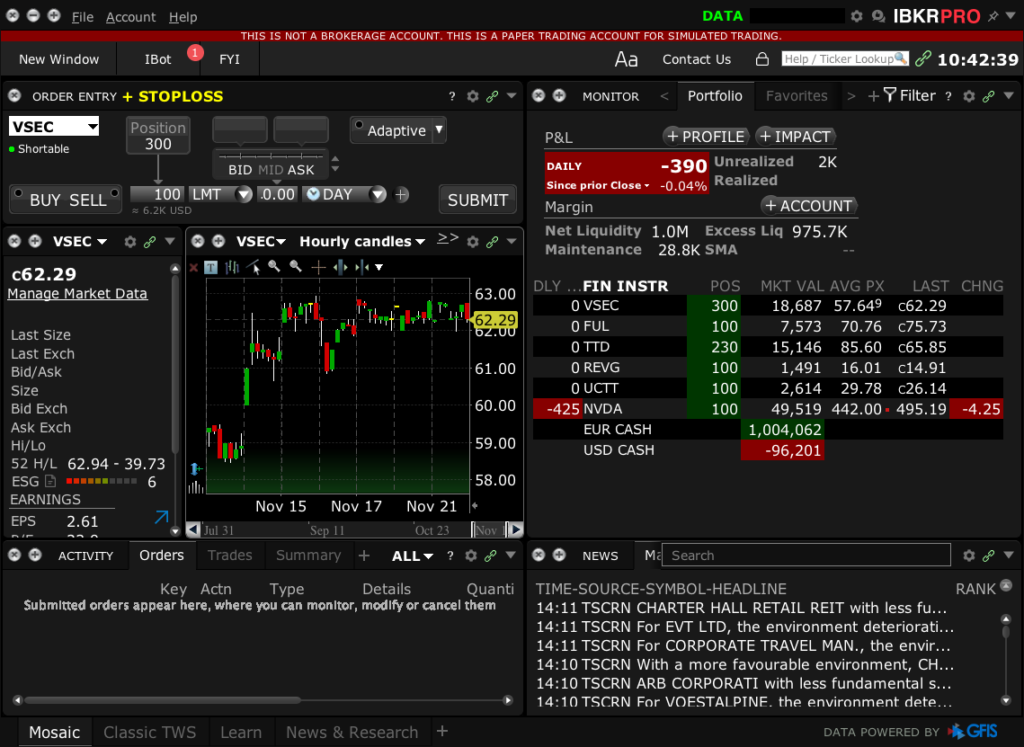
For beginners, or those wanting to test our methods, start with a demo account to apply our DeepList stock picks without financial risk. Shown below is the Trader Workstation interface from Interactive Brokers. Depending on your broker, you could also use your broker’s application on your phone or in a web browser.
3. Buying DeepCap’s Stock Picks
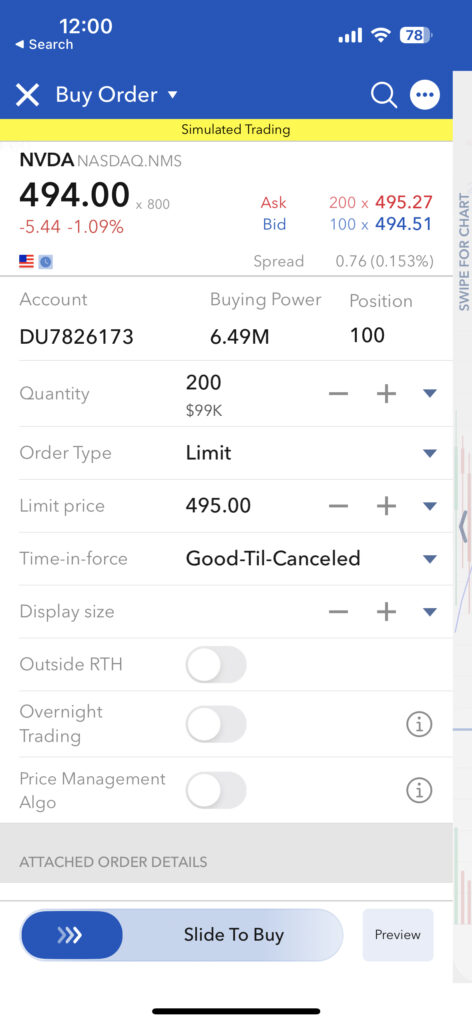
In your demo account, allocate 5-10% of your capital to purchase each stock pick from our DeepList. Always place limit orders. For instance, in the Interactive Brokers mobile app shown below, with a demo balance of US$1 million and NVDA as a pick, place an order for 200 shares at a limit price of 495.00 (costing around US$99k).
4. Setting Up a Stop Loss
We always recommend setting up a Stop Loss at 11% below each stock’s Ask price for risk mangement. For NVDA at an Ask price of 495.00, set the Stop Loss at 440.55.
5. Repeat for Other Picks
Follow steps 3 and 4 for each stock pick on DeepCap’s list.
6. Stay Updated
Regularly check our newsletter and web dashboard for updates on when a stock pick should be sold based on our AI engine’s analysis, or when a new stock should be added to your portfolio.
 How DeepCap Works
DeepCap uses AI and machine learning to identify stocks that have the highest probability of performing better than market indices (S&P500 / Nasdaq), AND indicating the right time to rebalance the portfolio of stock picks. Here’s how we do it:
1. Sort and Rank
We constantly feed and apply DeepCap AI 82 fundamental, technical, social media, financial journals and analysts’ indicators to US stocks over 35 years, classifying and ranking them using over 500 million combinations of different weighted indicators – more than any human can possibly evaluate simultaneously – estabilshing which stocks are above the market average median line.
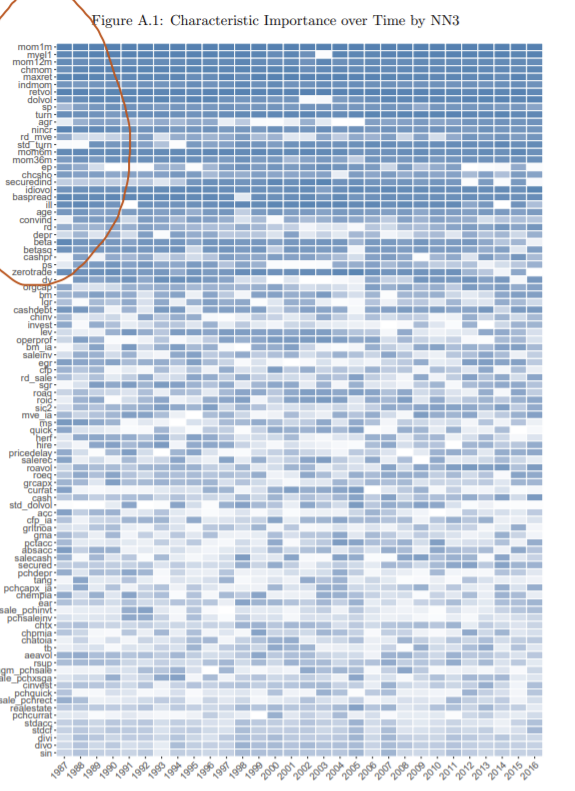
We then find the stocks that have the best chance of outperforming market averages and indices, picking the very top 1% of the top 10% of stocks.
This gives us the signal to BUY IN, or scale in using dollar cost averaging.
2. Analyzed Every Single Day
The stock picks are not static and are checked every day. If DeepCap AI sees that a stock pick no longer fulfils all the criteria, then that gives us the signal to either SELL or scale back, and reinvest in a different stock pick.
We have several different threshold levels on which a stock pick can trigger to help us decide which action to take – sell all or how much to scale down by.
At the same time, DeepCap AI sorts and ranks all US stocks every day and may add stocks that have fulfilled all our stringent criteria to the DeepList.
 Frequently Asked Questions
What is DeepCap AI?
DeepCap AI is an advanced artificial intelligence program that we developed to identify stocks likely to outperform major market indices like the S&P 500 and Nasdaq. It also advises on optimal times for portfolio rebalancing.
Can DeepCap AI predict the exact time to buy or sell a stock?
While DeepCap AI picks the stocks that have the highest chances of outperforming the market, it cannot predict the exact time to buy or sell. It can tell us when a stock fulfills or stops fulfilling all the criteria we have set up, as well as analysing market conditions to give us a general guideline on when it might be optimal to make buying or selling decisions.
Is DeepCap right for me? Is it suitable for all types of investors?
DeepCap AI does not provide you with a quick get-rich scheme. If you’re expecting double-digit or triple-digit gains in a day or a week, and you’re essentially a gambler (or an unrepenting WSB regard who loves 0DTE options), or if you’re looking to trade anything else besides US stocks, then DeepCap is not for you.
Instead, DeepCap is for new and seasoned investors with a timeframe expectation to profit in months and years, not days or weeks. We cannot guarantee a certain percentage return, but we can be sure that it will be better than market indices like the S&P500. DeepCap is for those of us who prefer having a consistent and safer edge over the market.
How can I financially succeed with DeepCap?
Subscribing to DeepCap and knowing which stocks to buy is just the first step. It is the most important step, but to achieve financial success requires good investment and money management strategies, such as dollar cost averaging, setting up stop losses, and a healthy mindset.
If DeepCap AI is so good, why bother providing this service at all?
We are a team of dedicated researchers, analysts and coders with humble backgrounds driven with the desire and mission to help the average person achieve financial success. All of us at DeepCap are also personally invested with our own funds in DeepCap’s stock picks, so our own skin is also on the line.
Where can I get more info or help?
For more information or assistance, you can contact DeepCap’s support team here.
 Investement Insights
- Practice with Paper Trading First
- Even experienced traders should paper trade our stock picks to understand our strategy risk-free.
- Beyond Stock Picking
- Successful investing involves careful money management, risk assessment, setting stop losses, regular monitoring, taking profits at target points, and strategic rebalancing.
- Knowing When to Exit
- Exit positions when our AI indicates the underlying conditions of a stock pick change. It might still rise, but our indicators suggest otherwise.
- Focus Beyond Daily Fluctuations
- Avoid focusing solely on daily charts. Be prepared for drawdowns and adhere to stop loss limits of 11% to manage emotions in trading.
- Dollar Cost Averaging Strategy
- Spread your investments over a week, two weeks, or a month, to reduce the impact of volatility.
- Entry Timing Less Critical
- The timing of your entry, whether on a red or green day, becomes less significant with our long-term holding strategy of a month or more.
- A Profit Is a Profit
- Celebrate profits and avoid regret over closing winning trades early or not capturing maximum gains.
- Using Trailing Stops
- Implement trailing stops to secure profits. Decide on a specific percentage or value for the trailing stop.
- Emotional Detachment from Stocks
- Avoid emotional attachment to stocks. Accept early profits and losses as part of the strategy when stop losses or trailing stops are triggered.
- Price Action Reflects News
- While staying informed is crucial, remember that current prices typically reflect all publicly available information.
- Long-Term Perspective and Expectation Management
- Focus on long-term investment gains. Our stock picks aim to outperform the S&P 500 over monthly and annual periods. Regularly evaluate your portfolio, but be prepared for potential AI-driven alerts for downside risks.
 Key Terms Explained
- Stop Loss
- A stop loss is an order placed with a broker to buy or sell a security when it reaches a certain price. It’s designed to limit an investor’s loss on a position in a security.
- Dollar Cost Averaging (DCA)
- This is an investment strategy where you regularly invest a fixed amount of money, regardless of the share price. Over time, this can average out the cost of shares to mitigate the impact of market volatility.
- Trailing Stops
- A trailing stop is a type of stop-loss order that moves with the asset price. It’s set at a percentage level below the market price and adjusts as the price fluctuates, helping to protect profits while giving a trade room to grow.
- Ask and Bid Price
- The ask price is the lowest price a seller is willing to accept for their stock, while the bid price is the highest price a buyer is willing to pay. The difference between these is known as the ‘spread.’
- Good Till Cancelled (GTC)
- This is an order to buy or sell a stock that lasts until the order is completed or canceled. It offers investors more control over their trade timing but requires monitoring as market conditions can change.
- Market Order
- A market order is an order to buy or sell a security immediately at the best available current price. It prioritizes speed over price and is typically executed almost instantly.
- Limit Order
- This is an order to buy or sell a stock at a specific price or better. Unlike market orders, a limit order is executed only at the limit price or a more favorable one.
- Short Selling
- Short selling is an investment strategy that speculates on the decline in a stock or other securities’ price. It involves borrowing a stock and selling it on the open market, planning to buy it back later for less money.
- Leverage
- Leverage in trading involves borrowing money to increase the size of a trading position beyond what would be available from your cash balance alone. While it can amplify profits, it also increases potential losses.
- Portfolio Diversification
- This is the practice of spreading your investments across various financial instruments, industries, and other categories to reduce risk. It’s based on the principle that a diversified portfolio will, on average, yield higher returns and pose a lower risk than any individual investment found within the portfolio.
- Bull and Bear Markets
- These terms describe market trends. A bull market is a period of rising stock prices, usually by 20% or more. In contrast, a bear market is when stock prices fall 20% or more from recent highs.